

 Jared Weiskopf, CPA
What the SBA's New Quality of Earnings Requirement Means for Business Acquisitions
The SBA's new SOP 50 10 8.1, effective October 1, 2026, adds a formal Quality of Earnings (QoE) requirement to certain SBA-financed acquisitions...
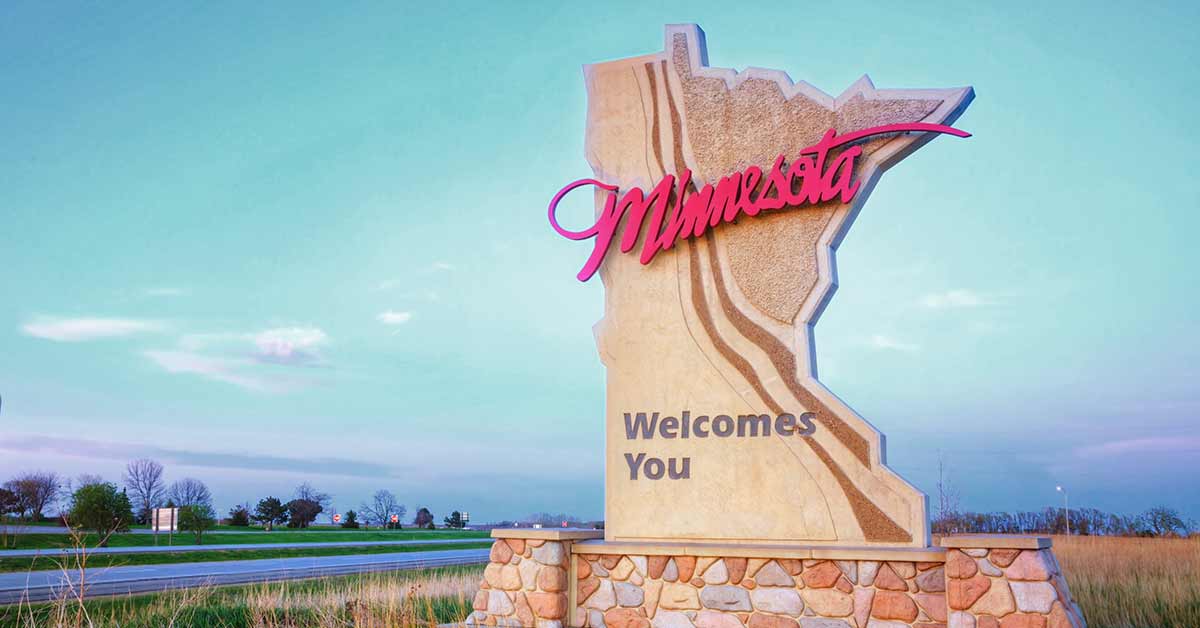
July 25, 2018 — Minnesota Revenue has updated their local sales tax collection requirements for Minnesota Sellers. Due to the U.S. Supreme Court’s decision on South Dakota v. Wayfair, physical presence is no longer needed for a state to require a company to collect their sales tax. Minnesota is now changing their long-time policy that local taxes only need to be collected if the company has a physical presence or nexus in the jurisdictions.
Starting October 1, 2018, Minnesota will require the collection of all local taxes if a seller has a filing requirement with the State of Minnesota.
Link to the Minnesota Notice https://content.govdelivery.com/accounts/MNREV/bulletins/20b9085
Recently, the Supreme Court passed down a decision on South Dakota v. Wayfair.
It was ruled that states can require remote sellers to collect and remit sales tax with no physical presence. For Minnesota purposes, a remote seller is a retailer not maintaining a place of business in this state.
Each state determines their own threshold and transaction amounts at which a collection requirement applies and Minnesota has now decided to come out with a decision in response to the Wayfair ruling.
Starting October 1st, 2018, Minnesota will require remote sellers to first register, and then collect sales tax unless they meet a small seller exception as defined below. The small seller exception is more aggressive than the Wayfair case and only requires either of following in a 12 month period:
You can click here to access an FAQ from the Minnesota Department of Revenue that may help to clarify some high-level questions you may have, including around topics like who is classified as a remote seller, information about Streamlined Sales Tax, and resources around registering to collect Minnesota sales tax.
If you have other questions about state and local taxation, you can reach out to Jared Weiskopf, Redpath’s State and Local Tax Service Area Leader today.


The SBA's new SOP 50 10 8.1, effective October 1, 2026, adds a formal Quality of Earnings (QoE) requirement to certain SBA-financed acquisitions...

Discovering that Form 5471 wasn't filed with your tax return can be unsettling. The IRS imposes significant penalties for missed international...

 Joe Hellman, CPA: August 20, 2026
At our recent Corporate Development event, 2026 M&A Market Update, panelists discussed the forces shaping deal activity midway through the year and...